

Choosing the right HVAC system isn’t as simple as matching new equipment to the size of your old unit. Your home’s layout, insulation, windows, and other features all affect how much heating and cooling it needs.
This HVAC size guide explains why proper sizing matters and how a professional evaluation can help you choose equipment that keeps your Pennsylvania home comfortable.
Why HVAC Sizing Matters
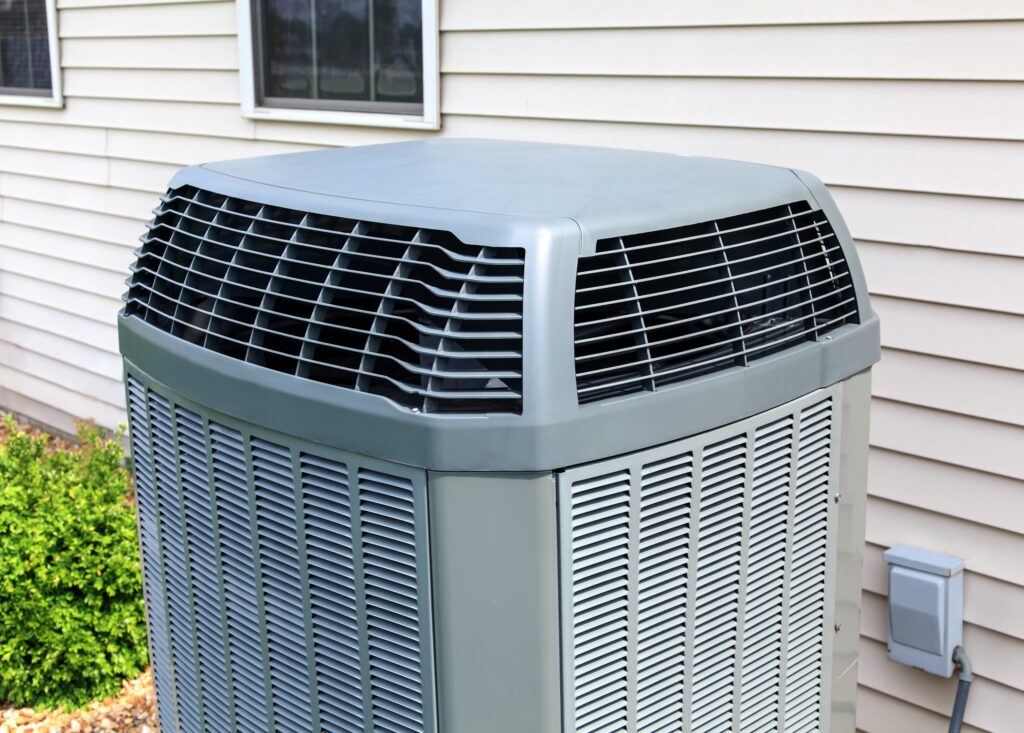
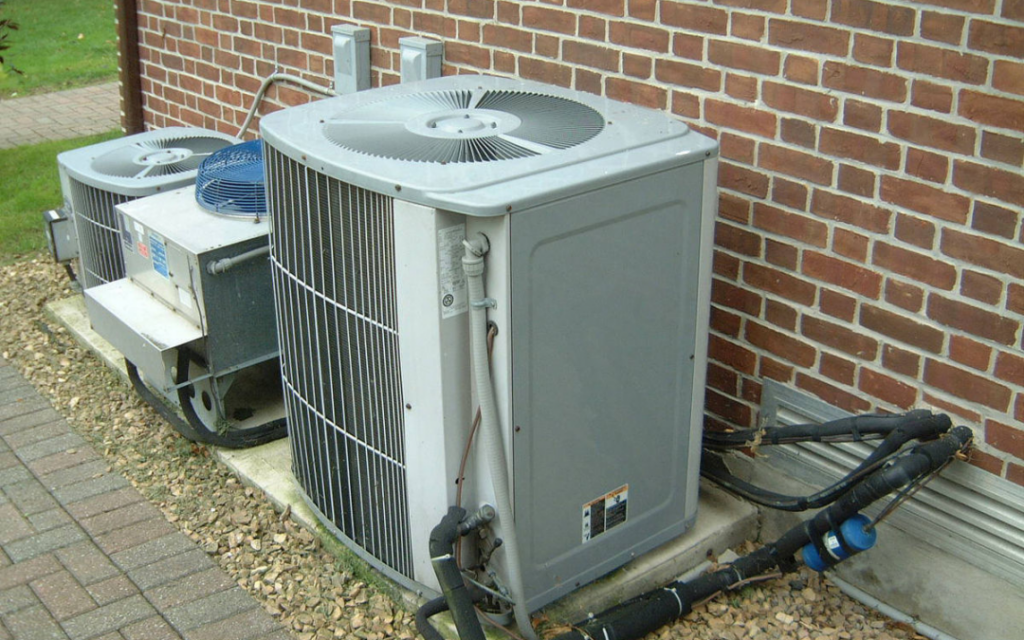
An HVAC system needs enough power to heat and cool your home without being oversized. Proper sizing improves comfort, controls humidity, lowers energy use, and reduces wear on the equipment.
Problems With Oversized and Undersized Systems
A system that’s too small may run for long periods without reaching the thermostat setting. This can leave some rooms uncomfortable, raise energy bills, and wear out parts faster.
A system that’s too large can also cause problems. It may heat or cool the home too quickly and shut off before completing a full cycle. This frequent starting and stopping can lead to uneven temperatures, poor humidity control, and extra wear.
Professional HVAC system sizing helps avoid both problems. Instead of guessing, a technician calculates how much heating and cooling your home requires.
Factors That Determine HVAC Size
Square footage is important, but it’s only one part of the sizing process.
Home Size, Insulation, and Layout
A heating and cooling load evaluation looks at several details, including:
- The home’s square footage
- Ceiling height
- Insulation levels
- Window size and condition
- Number of exterior doors
- Sun exposure
- Air leaks
- Number of floors
- Room layout
- Ductwork condition
The number of people living in the home and the amount of heat produced by lights and appliances can also affect the calculation. A technician may also inspect the existing ductwork. Leaky, damaged, or poorly designed ducts can reduce airflow and make a properly sized system perform poorly.
Two homes with the same square footage may need different HVAC systems. A well-insulated home with newer windows may require less heating and cooling than an older, drafty home.
Changes to the house also matter. A finished basement, room addition, or enclosed porch can increase the load. If you’ve remodeled since your current system was installed, replacing it with the same size may not be the right choice.
Choosing Your New HVAC System
Once the correct size is known, you can compare equipment based on your home, comfort needs, and budget.
Comparing Heating and Cooling Options
Central air conditioners provide cooling through a duct system. Furnaces supply heat using gas, oil, or electricity. Heat pumps can both heat and cool the home, making them a year-round option.
System type isn’t the only consideration. Efficiency ratings, available fuel sources, ductwork, noise levels, warranties, and upfront price can all affect your choice.
If your current cooling system is no longer reliable, Meade Heating & Air Conditioning can explain your AC replacement options. We service all brands and can help you compare equipment without pushing you toward a system that’s larger or more expensive than your home needs.
Find The Right HVAC System with Meade HVAC
Meade Heating & Air Conditioning takes the guesswork out of HVAC sizing. We measure your home, check its insulation and ductwork, and look for hot or cold rooms before recommending a system. You’ll receive a clear explanation of your options, a free replacement estimate, and upfront pricing so you know what to expect.
Contact Meade Heating & Air Conditioning to schedule HVAC replacement services in Southeastern Pennsylvania.
Frequently Asked Questions
How Is HVAC System Size Determined?
A technician performs a load calculation based on your home’s size, insulation, windows, doors, layout, air leakage, and other details. This shows how much heating and cooling the home needs.
Can An HVAC System Be Too Large?
Yes. An oversized system may turn on and off too often, causing uneven temperatures, poor humidity control, higher energy use, and added wear.
Does Pennsylvania Climate Affect HVAC Sizing?
Yes. Pennsylvania homes need equipment that can handle humid summers and cold winters. Local temperatures and humidity are included when calculating the proper system size.