


When temperatures drop in Chester Springs, PA, you may wonder if your heat pump can keep your home warm. Longer run times or “auxiliary heat” on the thermostat may make you question whether it’s working properly.
There’s not a single temperature that’s too cold for every heat pump. Newer cold-climate models can work in very cold weather, while older systems may need backup heat sooner. How well yours keeps up depends on the equipment and how much heat your home needs.
What Temperature Is Too Cold for a Heat Pump?
Many cold-climate heat pumps are designed to provide heat at 5 degrees Fahrenheit and below. Some models continue operating at subzero temperatures. However, being able to run doesn’t always mean a system can heat the entire home on its own.
How well your heat pump handles the cold depends on its model and size, your home’s insulation and drafts, and its backup heat. The same system may keep a well-insulated home warmer than a drafty one.
Check your owner’s manual to see what temperatures your system can handle. A technician can explain how much heat it provides in cold weather and when backup heat should turn on.
Why Do Heat Pumps Lose Capacity as It Gets Colder?
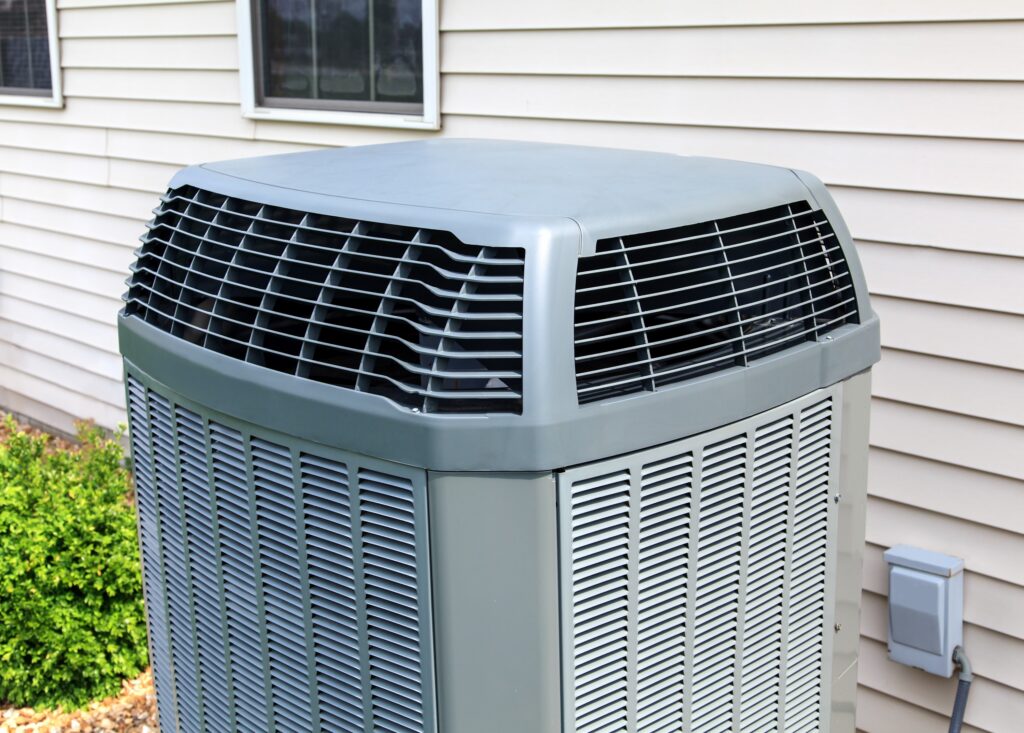
An air-source heat pump moves heat from outdoor air into your home. Even cold air has heat, but the system has to work harder to collect it as temperatures drop.
During a Chester County cold snap, your home also loses warmth faster. Your heat pump may provide less heat just as your house needs more. Cold-climate models are built to handle these conditions better than many standard systems.
These changes happen slowly. Heat pumps don’t all stop working at the same outdoor temperature.
Can a Heat Pump Work Below Freezing?
Heat pumps can operate below 32 degrees Fahrenheit. Freezing weather alone doesn’t mean you need to switch to another heating source.
Cold-climate heat pumps are specifically designed for low outdoor temperatures. They can adjust their output to help maintain indoor comfort as conditions change.
Longer run times are also common in cold weather. Your system may run steadily because it’s replacing the heat your home loses. If rooms stay near the thermostat setting, a long heating cycle alone doesn’t necessarily signal a problem.
What Happens When It Gets Too Cold for the Heat Pump Alone?
Every home and heat pump combination has its own heating needs and limits. The balance point is the outdoor temperature where the heat pump’s output matches the amount of heat the home needs.
When it gets colder than that, your heat pump may need help. Backup heat can turn on to provide the extra warmth your home needs.
This temperature is different for each home and system. Good insulation and fewer drafts help hold warmth inside, so your heat pump can keep up in colder weather.
What Is Auxiliary or Backup Heat?
Backup heat adds warmth when your heat pump can’t keep your home warm enough. Common options include electric heating elements or a furnace paired with the heat pump.
Electric heating elements add heat while the heat pump runs. A system paired with a furnace usually switches to the furnace based on outdoor temperatures and system settings.
Occasional backup heat during a Pennsylvania cold snap can be normal. If auxiliary heat runs often or constantly, especially on milder days, have a technician check the equipment and thermostat.
How Do You Know Your Heat Pump Is Struggling?
Watch how your system heats the house, especially if its performance changes from what you normally expect.
Signs that may justify a professional inspection include:
- Your home can’t maintain the thermostat setting.
- Air from the vents stays unusually cool for long periods.
- Auxiliary heat runs much more often than usual.
- Ice remains on the outdoor unit after defrost cycles.
- Energy use rises unexpectedly without a clear explanation.
A little frost on the outdoor unit can be normal, and defrost helps clear it. Persistent ice or falling indoor temperatures should be checked. These signs can have several causes, so an inspection helps identify the right repair.
How Can You Prepare a Heat Pump for a Pennsylvania Winter?
Schedule heat pump maintenance before Chester County’s colder weather puts more demand on your equipment. A technician can check airflow, electrical parts, refrigerant levels, and heating performance.
Check the air filter regularly and replace it according to the manufacturer’s instructions. Keep supply and return vents open and clear of furniture, rugs, and curtains.
Outside, clear away fallen leaves before winter and gently remove loose snow around the unit after storms. Follow the manufacturer’s clearance requirements so air can move freely. Don’t chip ice off the equipment, as this can damage its coils.
Schedule Heat Pump Service With Meade Heating & Air Conditioning
Heat pumps don’t all stop working at the same temperature. Modern systems can keep your home warm in very cold weather when they’re the right size and receive regular maintenance.
At Meade Heating & Air Conditioning, our licensed and certified local technicians service all brands. We offer upfront pricing, 24/7 emergency service, and preventative maintenance agreements to help you keep up with routine care.
Contact Meade Heating & Air Conditioning to schedule heat pump service for your home in Chester Springs, PA.